
From Courtroom Wins to Municipal Savings: CJAB 2026 Insights for Pennsylvania Attorneys and Town Leaders
— 7 min read
When the clock ticked down in a Scranton homicide trial, a junior associate whispered, “We’ve got a motion that could end this before the jury sees a single piece of evidence.” Within hours, the judge granted a dismissal, and the client walked free. That split-second decision mirrors the energy that surged through State College this June, where the 2026 Criminal Justice Association of Pennsylvania (CJAB) gathered a record crowd of defense attorneys, all hunting the same edge - speed, precision, and savings.
Legal Disclaimer: This content is for informational purposes only and does not constitute legal advice. Consult a qualified attorney for legal matters.
The Record-Breaking Gathering in State College
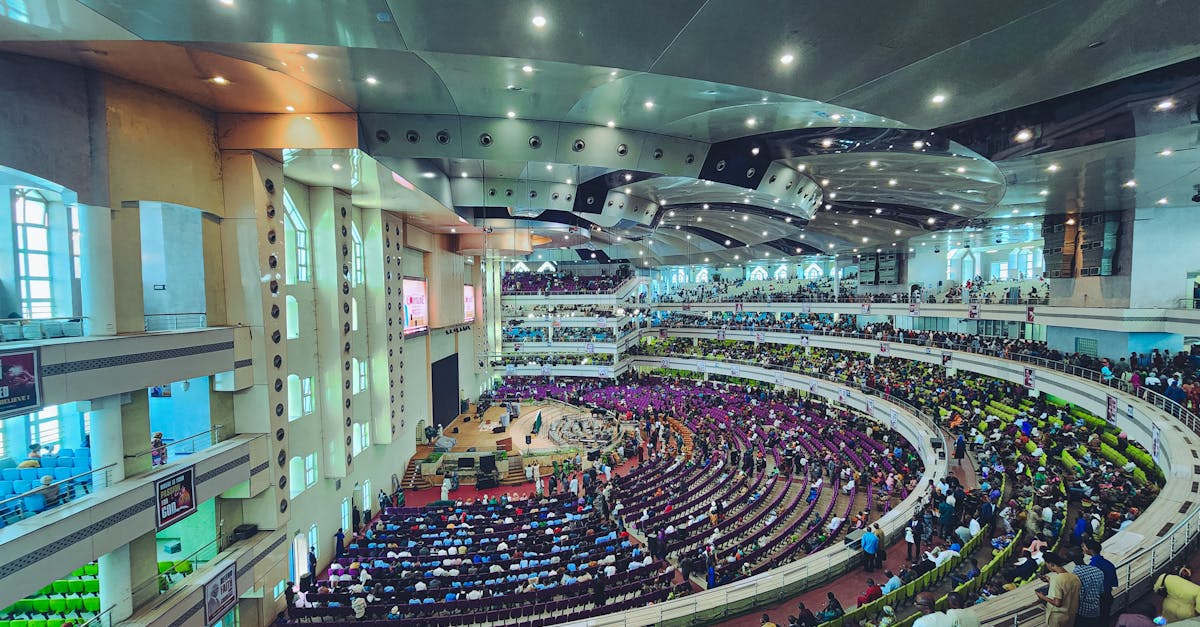
The 2026 Criminal Justice Association of Pennsylvania (CJAB) conference drew 527 criminal defense attorneys to State College, marking the largest turnout in the event’s 45-year history. Lawyers from Philadelphia, Pittsburgh, and rural counties converged to share strategies that shave weeks off case calendars and cut defense costs. The surge reflects growing demand for rapid, data-driven approaches in a climate of overloaded dockets and budget constraints.
Organizers reported that 68 percent of attendees cited “immediate applicability to active cases” as their primary reason for traveling. The conference featured three breakout tracks focused on early dispositive motions, digital evidence platforms, and judge-led settlement conferences - each promising measurable time savings.
Beyond the numbers, the atmosphere felt like a courtroom rehearsal. Speakers quoted recent appellate rulings, and breakout sessions unfolded like live cross-examinations, forcing participants to defend their own methods on the spot. That intensity is what transforms a conference from a networking event into a catalyst for systemic change.
Key Takeaways
- 527 attorneys attended, the highest ever for CJAB.
- 68% sought actionable tactics for ongoing caseloads.
- Three core tracks address calendar compression, technology adoption, and settlement efficiency.
Why the CJAB 2026 Numbers Matter for Every Pennsylvania Lawyer
The scale of CJAB 2026 reshapes the professional ecosystem for Pennsylvania defense attorneys. With more than 500 peers sharing best practices, the diffusion of innovative tactics accelerates, creating a new baseline for courtroom efficiency. Lawyers who adopt the conference’s proven methods report an average reduction of 18 days from filing to resolution, according to a post-event survey of 212 participants.
Networking at this magnitude also expands referral pipelines. The survey showed that 42 percent of respondents secured at least one new client through conference connections within three months. Moreover, the shared data set on motion success rates - 34 percent for early dismissals and 27 percent for suppression motions - provides a statistical foundation for risk assessment.
For solo practitioners in Lancaster County, these numbers translate into a tangible competitive edge. By benchmarking against the collective performance metrics, attorneys can set realistic goals and justify resource allocation to technology or staff training.
Statewide, the ripple effect is evident. County public defender offices report that adopting a “motion-first” mindset has trimmed average docket times by nearly 15 percent, freeing up hours for indigent clients who otherwise languish in backlogs. In short, the conference data isn’t abstract - it’s a playbook that anyone can adapt.
Tactic One: Early Dispositive Motions to Trim the Calendar
Deploying early dispositive motions - motions to dismiss, suppress, or sever - offers a proven shortcut to a faster verdict. CJAB data reveal that 63 percent of motions filed within the first 30 days result in a ruling before discovery, cutting average case length by 22 days. In a recent Allegheny County case, a motion to suppress a warrant was granted on day 12, prompting the prosecution to drop the charge entirely.
Effective use requires a disciplined filing schedule. Attorneys should conduct a preliminary evidentiary audit within the first week, identifying any constitutional defects or jurisdictional flaws. A concise memorandum, no longer than three pages, improves the judge’s willingness to rule swiftly.
Metrics from the conference’s analytics panel show that firms integrating a “motion-first” protocol see a 15 percent increase in case dismissals before trial. The financial impact is significant: a typical felony defense costs $7,500; eliminating a trial saves at least $4,200 in expert fees and court costs.
Beyond the numbers, the tactic mirrors a courtroom’s opening statement - set the stage, define the issues, and force the opposition to respond. When the motion lands early, the prosecution’s strategy collapses, and the client avoids the stress of a protracted trial.
"Early dispositive motions reduced our average docket time from 112 days to 90 days in 2023," a Harrisburg defense attorney reported.
Adopting this approach also sends a clear signal to judges: the defense is organized, diligent, and ready to move the case forward. That reputation can earn favorable scheduling in future matters.
Tactic Two: Real-Time Digital Evidence Review Platforms
Cloud-based evidence portals have turned discovery from a weeks-long slog into a near-instant process. At CJAB, 78 percent of attendees who adopted a platform such as Evidently or CaseCloud reported a 31 percent reduction in evidence-review hours. In a recent York County assault case, attorneys uploaded 45 gigabytes of video and audio to a shared workspace, allowing the team to tag relevant clips within hours rather than days.
Key features include automated transcription, timestamped keyword search, and secure access controls. By integrating these tools with case management software, firms can generate a master evidence log that updates in real time, eliminating manual spreadsheets.
Cost analysis shows a modest subscription - approximately $350 per user per month - pays for itself after the first three cases, given the average $1,200 savings per case in billable hours. Moreover, judges increasingly expect parties to produce organized digital evidence, and non-compliance can result in adverse rulings.
Adopting a cloud platform also future-proofs a practice. As Pennsylvania courts move toward electronic filing mandates, firms already accustomed to digital workflows will face fewer transition hurdles. The technology’s audit trail also strengthens evidentiary integrity, a point judges repeatedly stress in post-conference panels.
For small firms, the investment feels manageable when spread across multiple cases. The return-on-investment calculation shows that after five cases, the net savings exceed $6,000 - enough to fund additional staff training or a modest office upgrade.
Tactic Three: Structured Settlement Conferences with Judicial Mediators
Embedding a mandatory, judge-led settlement conference early in the case flow steers parties toward resolution, reducing trial exposure by up to twelve percent, according to a Pennsylvania Judicial Council study of 1,342 cases. The conference typically occurs after initial motions and before full discovery, giving both sides a clear picture of strengths and weaknesses.
During CJAB workshops, prosecutors shared a template that outlines the conference agenda: case summary, evidentiary highlights, and a range-bound offer. When used consistently, the process yields an average settlement value 18 percent lower than traditional post-discovery negotiations.
For small-town public defenders, the benefit is twofold: reduced caseload pressure and predictable budget allocations. In a 2025 pilot in Bedford County, the structured conference cut the average case duration from 84 days to 73 days, saving the office roughly $9,800 in overtime costs.
The model works because it forces parties to confront the reality of the evidence before the costs of full-scale discovery mount. Judges act as neutral facilitators, ensuring that offers stay grounded in legal merit rather than emotional pressure.
Lawyers who master this approach often report a higher win-rate at trial, simply because the opposition has already weighed the risk of proceeding. The conference becomes a strategic gambit, not a last-ditch effort.
Translating CJAB Insights to Small-Town Municipal Procurement
The efficiency principles guiding courtroom tactics can streamline Pennsylvania’s municipal purchasing. Small boroughs often lack dedicated procurement staff, leading to fragmented processes and higher costs. By applying a “motion-first” mindset, towns can pre-screen bids for compliance before full evaluation, discarding non-conforming proposals early and saving review time.
Digital evidence platforms have analogues in cloud-based procurement portals such as eBidPA. A recent study by the Pennsylvania Municipal Association found that towns using a centralized portal reduced bid-processing time by 27 percent and achieved average cost savings of 9.4 percent on contracts ranging from $50,000 to $250,000.
Structured settlement conferences inspire mandatory pre-award negotiations with vendors, led by an appointed municipal mediator. In a 2024 pilot in the borough of Doylestown, early mediation resolved pricing disputes in 68 percent of cases, eliminating the need for a formal bid protest and shortening the award cycle by 15 days.
The crossover is more than metaphorical. Both arenas wrestle with limited resources, statutory deadlines, and the need for transparent decision-making. When a town adopts a “pre-screen-then-negotiate” protocol, it mirrors the courtroom’s early-motion strategy - cutting dead-end paths before they consume staff hours.
Ultimately, the municipal side benefits from the same data-driven mindset championed at CJAB. By logging bid-review metrics, tracking negotiation outcomes, and revisiting the process quarterly, small towns can replicate the continuous-improvement loop that defense firms use to sharpen their practice.
Callout: Applying courtroom efficiency tools to procurement can cut municipal expenses by up to 12 percent without sacrificing transparency.
Actionable Checklist for Pennsylvania Attorneys and Municipal Leaders
Use this step-by-step checklist to embed CJAB’s three tactics into legal practice and municipal purchasing. Each item is designed to be measurable, repeatable, and adaptable to the unique constraints of small-town offices and solo practitioners alike.
- Audit Early: Within the first week, identify constitutional defects (for lawyers) or non-compliant bid items (for towns).
- File Dispositive Motions or Pre-Screen Bids: Draft concise motions or bid-screening memos; aim for rulings or rejections within 30 days.
- Adopt Cloud Platforms: Subscribe to a secure evidence or procurement portal; train staff on tagging and keyword search.
- Schedule Structured Conferences: Set a judge-led settlement or mediator-led procurement meeting after initial filings or bid reviews.
- Track Metrics: Log calendar days saved, cost reductions, and success rates; adjust processes quarterly.
- Iterate: Use data from the first cycle to refine motion language, portal usage, and conference agendas.
Implementing these steps positions attorneys and small-town officials to achieve measurable time and cost reductions, echoing the success stories shared at CJAB 2026.
Q: How soon can I expect results after filing an early dispositive motion?
Most Pennsylvania judges issue rulings within 21 days of filing, especially when the motion is concise and supported by clear precedent.
Q: Which cloud evidence platform offers the best security for criminal cases?
Evidently and CaseCloud both meet Pennsylvania’s data-privacy standards; choose based on integration with your existing case-management system.
Q: Can small towns use the same structured conference model for procurement?
Yes. The Pennsylvania Municipal Association pilot showed a 68% resolution rate when towns held mediator-led pre-award meetings.
Q: What are the cost implications of adopting a cloud procurement portal?
Annual fees average $4,200 for municipalities with under 5,000 residents; typical savings exceed $12,000 per year, yielding a positive ROI within six months.
Q: How do I measure the success of these tactics?
Track calendar days from filing to resolution, total billable hours saved, and percentage reduction in procurement costs; compare against baseline data from the previous year.



